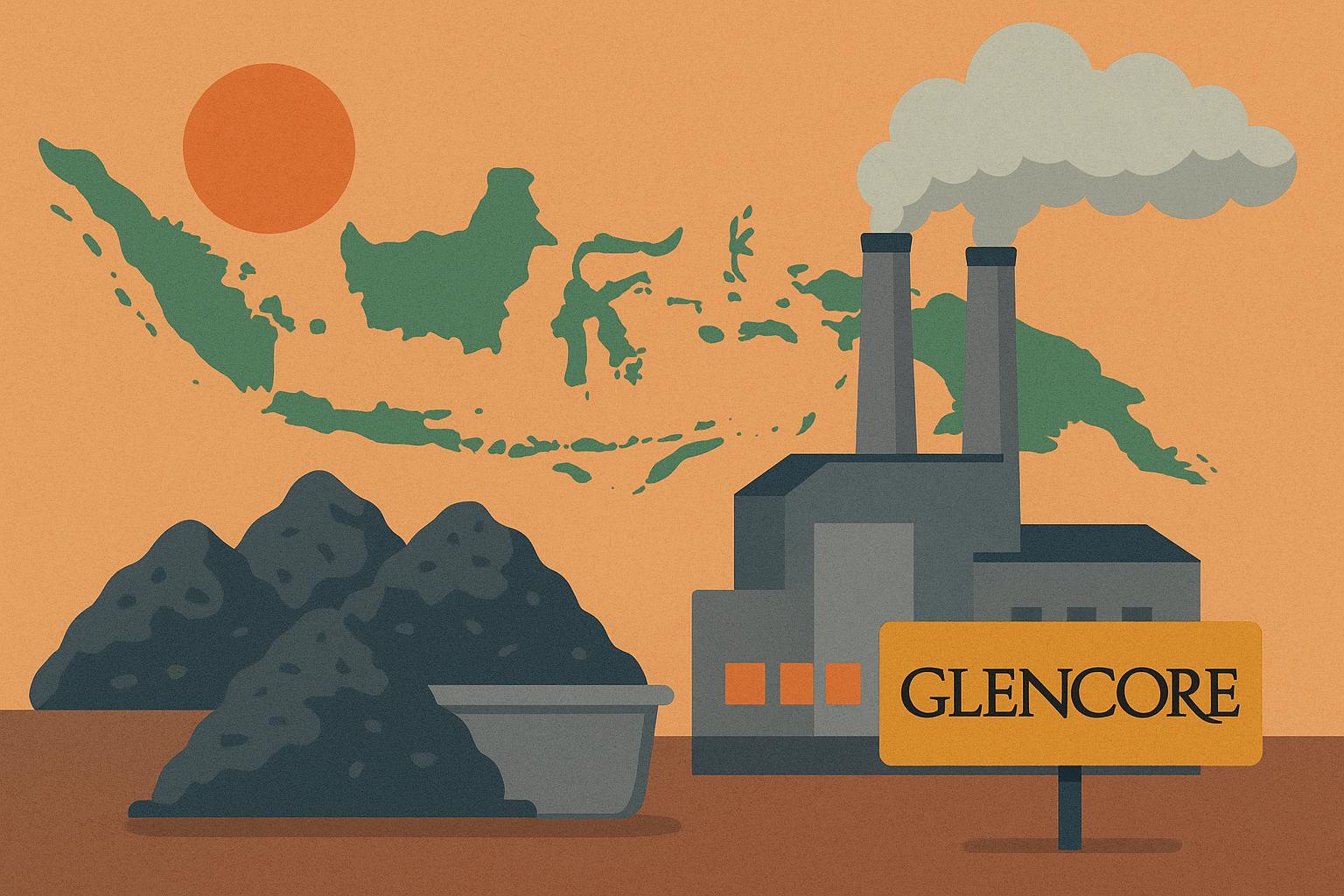
Global nickel markets are in flux as two pivotal developments emerge: Indonesia is importing more nickel ore than ever to feed its aggressive smelter expansion, and in Australia, BHP’s Western Australian nickel assets are drawing the attention of Glencore and private equity investors. Together, these moves highlight a shifting landscape in global nickel supply chains that investors cannot afford to ignore.
Indonesia’s Growing Appetite for Nickel Ore
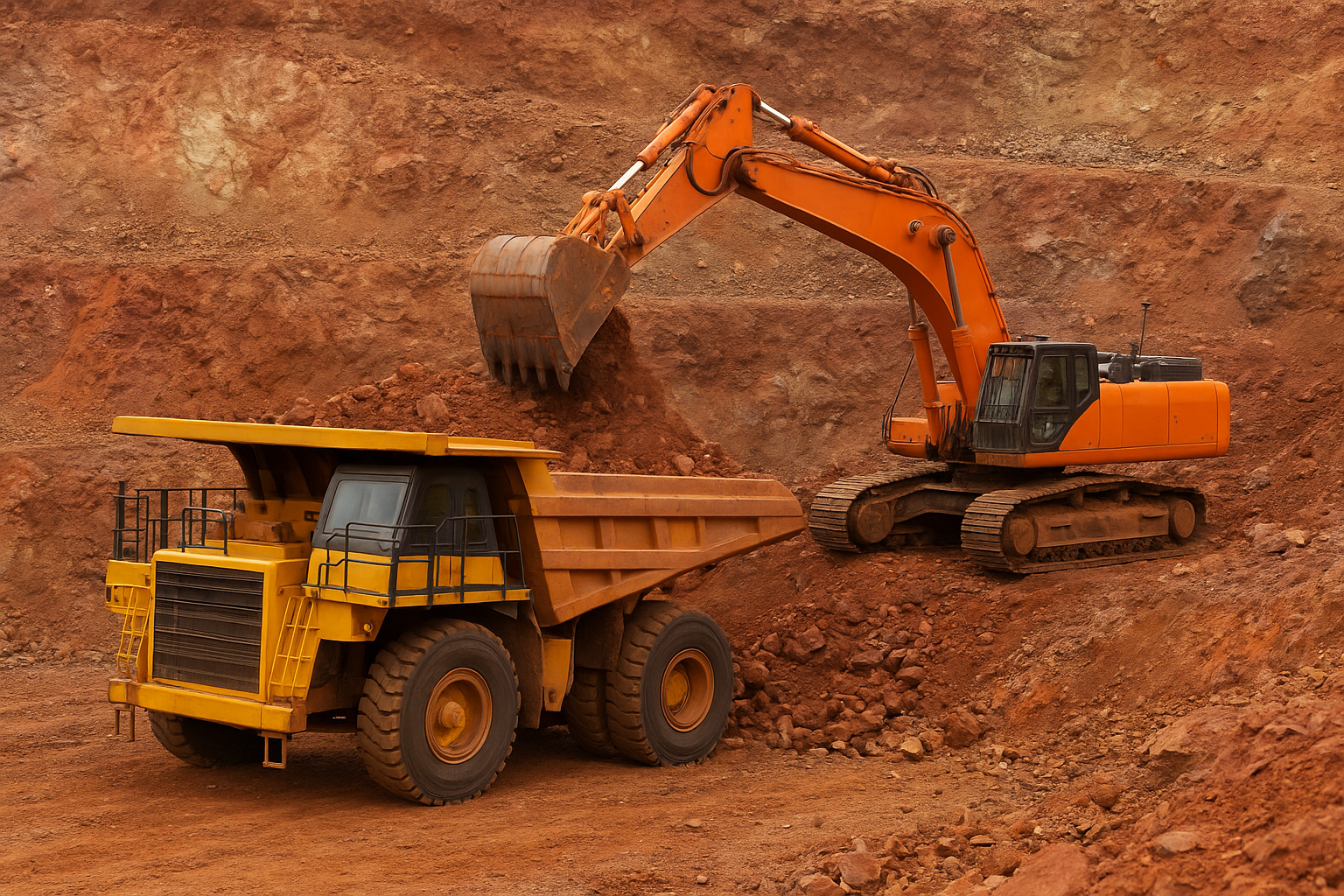
Indonesia, the world’s largest nickel producer, has long influenced global markets with its ore export policies and downstream industrial strategy. Recent data reported by Petromindo shows a sharp rise in nickel ore imports, a rare move for a country traditionally focused on exporting its mineral wealth. The spike is linked directly to an unprecedented wave of domestic smelter construction, which is straining local ore supply.
The country has pursued an aggressive resource-nationalist policy for years, banning raw nickel ore exports in 2020 to drive value-added processing at home. That policy succeeded in attracting tens of billions in foreign investment from China and other countries to build nickel smelters. Now, however, those very smelters are running into feedstock shortages, forcing the government to temporarily relax import restrictions.
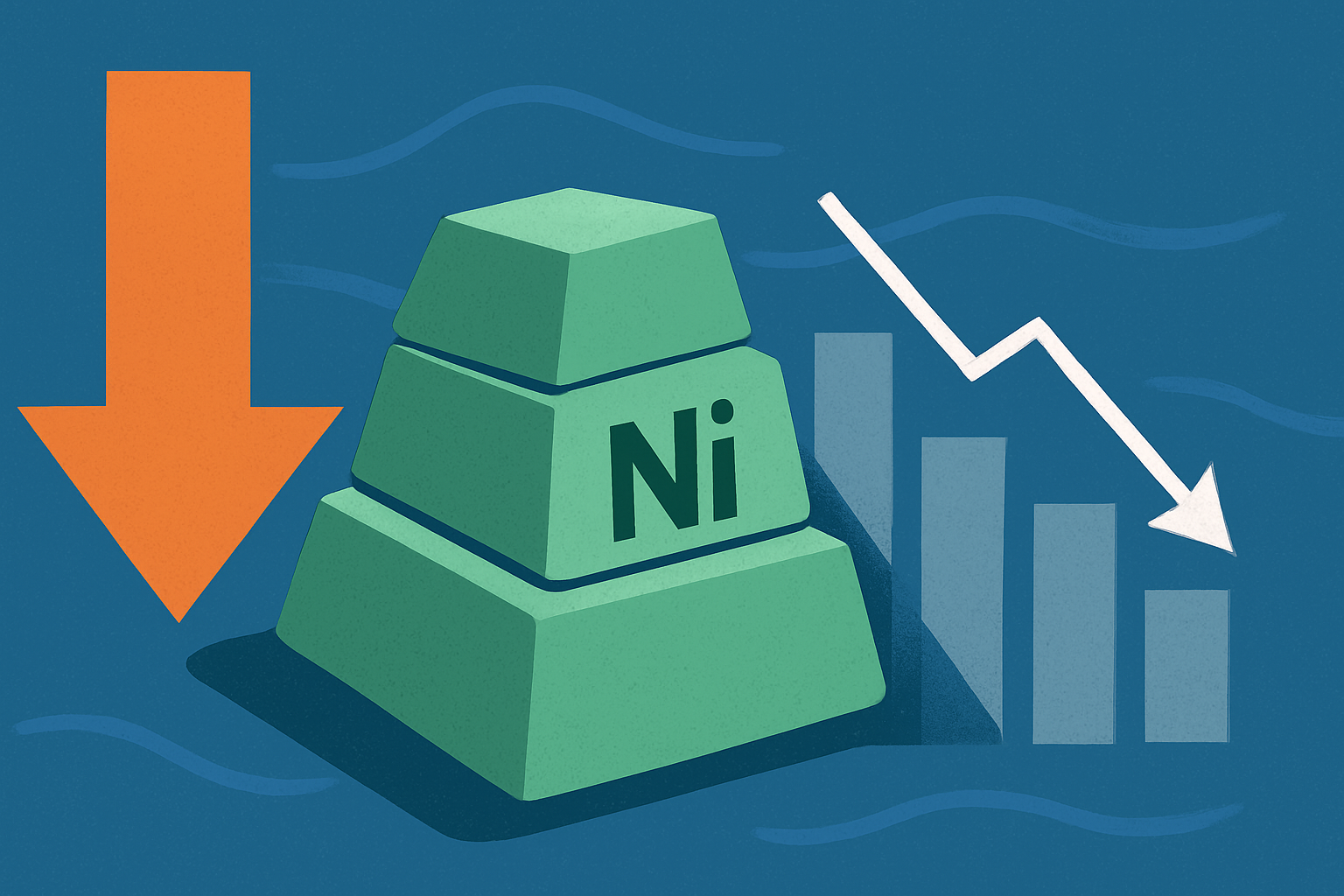
For global nickel markets, this matters. Indonesia’s imports signal tightening supply balances that could ripple across the value chain, from stainless steel production to the fast-growing EV battery segment, where nickel is a key cathode material. If ore shortages persist, they could create upward pressure on nickel prices despite ongoing macro headwinds.
Why This Matters for Investors
For junior miners and upstream ore suppliers, Indonesia’s import pivot presents a potential opportunity. Smelters hungry for feedstock will have to compete for supply, creating favorable pricing conditions for producers outside Indonesia. Juniors with shovel-ready nickel projects could find themselves in a stronger bargaining position, either through higher spot prices or long-term supply agreements.
However, investors should be cautious. Indonesia has a track record of abrupt regulatory changes, often shifting policies on ore exports, taxes, and investment terms with little notice. Any policy reversal could swiftly dampen opportunities. Analysts have consistently noted that the nickel market remains vulnerable to government intervention — a theme that will likely continue.
Glencore Circles BHP’s Nickel Assets in Australia
While Indonesia grapples with ore shortages, a very different story is unfolding in Australia. According to The Australian Financial Review, BHP has opened the data room for its Western Australian nickel assets, inviting potential buyers to evaluate operations that have faced profitability challenges under current market conditions.
Global commodities major Glencore, along with private investment firm Wyloo Metals, are reportedly reviewing the assets. BHP’s nickel division has struggled amid oversupply and weak pricing, but for Glencore — already a heavyweight in global base metals trading — acquiring these assets could provide scale, synergies, and an expanded footprint in a strategic region.
For Australia, the potential deal could reshape the competitive landscape. A change of ownership might bring fresh capital investment, restructuring, and possibly new offtake deals tied to the EV supply chain. For suppliers, contractors, and local exploration juniors, this could mean a new wave of demand and opportunity.
Future Trends to Watch
- Policy Risk in Indonesia: Investors should monitor any signs of further government intervention, particularly regarding ore import quotas, licensing requirements, or export policy reversals.
- M&A in the Nickel Sector: BHP’s asset sale could be the opening act for broader consolidation in a stressed market. Expect more majors and private groups to scout distressed but strategic nickel assets worldwide.
- EV Battery Demand: While short-term prices are volatile, long-term demand for high-grade nickel in EV batteries remains strong. Any supply disruptions or ownership reshuffling could feed into strategic stockpiling and higher demand visibility.
- Supply Chain Security: Governments in the U.S., Europe, and Asia continue to prioritize securing battery metals. That geopolitical angle could accelerate investment in nickel exploration, smelting, and refining capacity outside Indonesia.
Key Investment Insight
Investors should see Indonesia’s import surge and Glencore’s M&A interest as two sides of the same coin: a global nickel industry under structural pressure, but with emerging opportunities for those who position strategically. While policy risks and pricing volatility remain, companies with strong balance sheets, high-quality projects, or exposure to downstream EV demand could stand to benefit.
For risk-tolerant investors, this may be the moment to reassess exposure to nickel juniors, monitor consolidation plays, and track global policy developments closely.
Stay ahead of the curve with explorationstocks.com — your trusted source for daily insights into critical minerals, commodities, and exploration trends shaping tomorrow’s investment opportunities.