The uranium market continues to attract attention amid growing calls for nuclear energy expansion — and a new development from the United States signals deeper structural support for the sector.
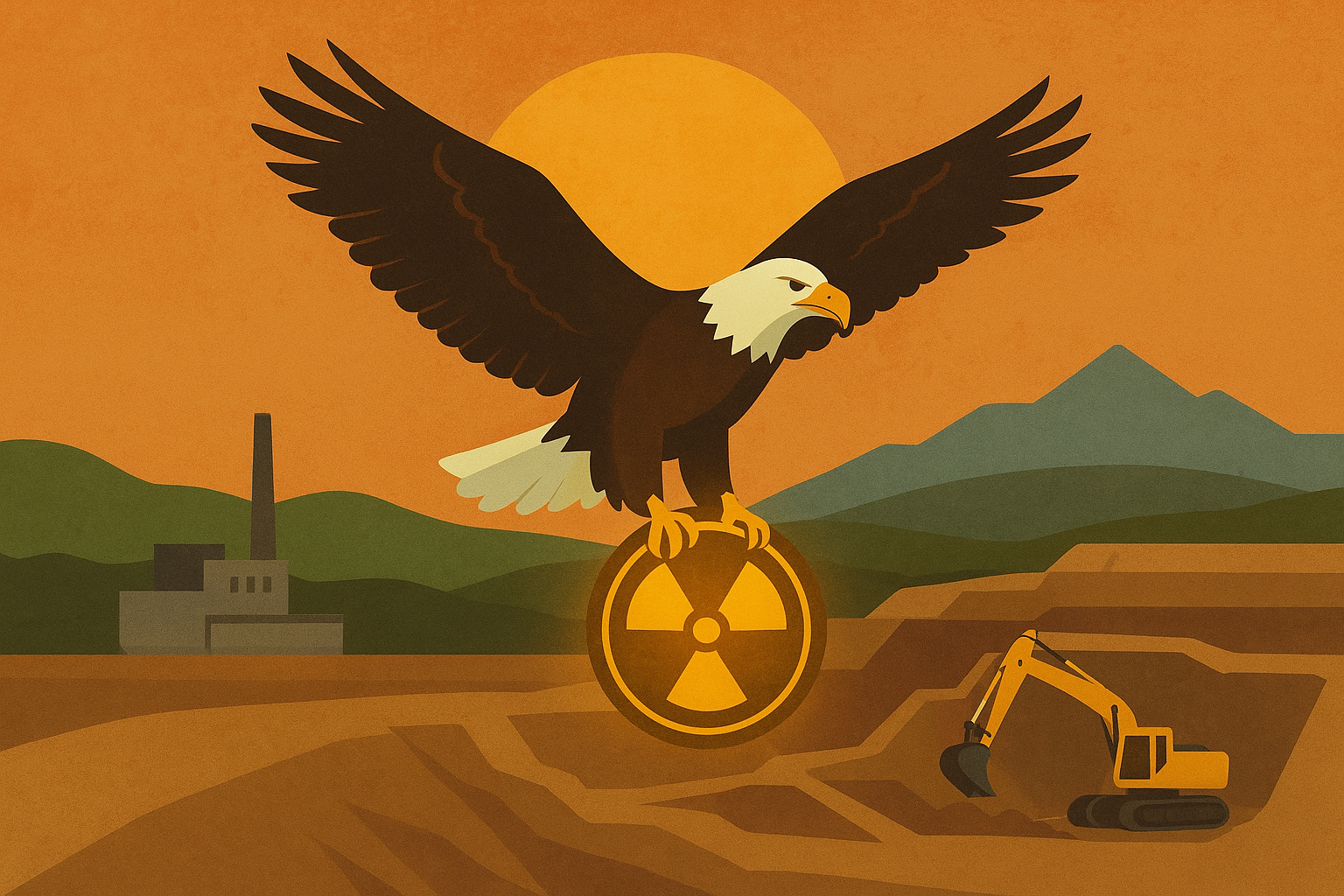
DISA Technologies Inc. has secured the first-ever Service Provider License (SPL) from the U.S. Nuclear Regulatory Commission (NRC), authorizing it to remediate abandoned uranium mine waste across the country. The landmark approval, announced through PR Newswire, represents a pivotal regulatory milestone that could reshape the environmental and operational landscape for domestic uranium infrastructure.
Regulatory Momentum in America’s Nuclear Revival
The U.S. has intensified its focus on bolstering the domestic uranium supply chain as nuclear energy regains traction in global clean-energy strategies. With spot uranium prices holding above US$90/lb, the sector has seen a resurgence in exploration, development, and policy interest.
However, one persistent challenge has been the legacy of abandoned uranium mines— sites left idle for decades that have hindered community relations, environmental restoration, and the broader perception of nuclear energy’s sustainability.
By granting DISA Technologies the first NRC license of its kind, regulators are not just addressing cleanup — they are signaling a strategic shift toward modernizing uranium infrastructure and improving environmental compliance frameworks. The move could also pave the way for increased federal and state-level funding to support reclamation and redevelopment projects.
As reported by PR Newswire (Oct. 2025), DISA’s NRC approval authorizes it to provide specialized remediation services at legacy uranium sites, setting a precedent for future license applications from similar service providers.
Why This Matters for Investors
While DISA’s license doesn’t directly increase uranium production, it strengthens the long-term fundamentals of the U.S. uranium ecosystem. The remediation of legacy sites could unlock previously inaccessible land and clear regulatory barriers for developers.
Moreover, it signals that Washington is prepared to back nuclear energy’s resurgence not only through subsidies and production tax credits but also through environmental and infrastructure support.
According to Sprott Asset Management, global uranium demand is projected to surge 28% by 2030, driven by new nuclear plant construction and reactor restarts. Yet, Western production remains constrained by permitting delays and decades of underinvestment.
A more coordinated U.S. regulatory environment — including streamlined remediation and site rehabilitation — could accelerate domestic mine restarts, benefiting companies like Energy Fuels Inc. (NYSE: UUUU), Cameco Corp. (TSX: CCO), and Ur-Energy Inc. (NYSE: URG), which operate or explore within U.S. jurisdictions.
Investors should note that the NRC’s proactive licensing signals a broader policy trend: support for a complete uranium value chain — from mine cleanup to new mine development — as the U.S. seeks energy security and supply independence from foreign uranium sources.
Future Trends to Watch
✅ Government Funding & Incentives:
Expect follow-on funding initiatives under the U.S. Department of Energy’s (DOE) uranium reserve program and additional grants for mine reclamation and site rehabilitation.
✅ New Entrants in Uranium Services:
The DISA precedent could open the door for other technology-driven environmental service firms to enter the uranium sector — adding new investment angles beyond pure mining plays.
✅ Improved ESG Ratings for Uranium Miners:
Companies with exposure to the U.S. uranium ecosystem may see enhanced ESG profiles as remediation initiatives improve public perception and regulatory transparency.
✅ Market Reaction to Policy Support:
Each incremental policy signal in favor of nuclear power — from cleanup licensing to plant restarts — tends to support uranium prices and investor confidence in related equities.
Key Investment Insight
For investors, this development underscores the expanding policy framework supporting the entire uranium lifecycle — not just extraction and processing, but cleanup, recycling, and infrastructure modernization.
While the direct beneficiary is DISA Technologies, the broader investment takeaway is that U.S. nuclear policy momentum continues to accelerate, creating tailwinds for both established uranium producers and emerging exploration-stage companies.
As the U.S. and its allies deepen commitments to nuclear energy as part of net-zero strategies, uranium’s structural bull market remains firmly intact. The DISA license demonstrates that regulatory innovation is catching up to market demand — a crucial step for sustaining investor confidence and sectoral growth.
Stay ahead of emerging uranium and energy metal developments with ExplorationStocks.com — your trusted source for daily insights on commodities, exploration-stage opportunities, and critical mineral investing trends.