
The race to secure critical minerals supply chains is intensifying as clean energy transitions and geopolitical rivalries accelerate. This week, a delegation of Australian critical minerals companies traveled to Washington and New York to hold talks with U.S. government officials and institutional investors, underscoring the urgency of strengthening bilateral partnerships in strategic resources such as lithium, nickel, rare earth elements, and tungsten (source: Mining.com, Sept. 2025).
Australia, already one of the world’s top suppliers of battery and technology metals, is positioning itself as a linchpin in U.S. efforts to reduce reliance on China and diversify sourcing for materials essential to electric vehicles, renewable power, and defense applications.
Why This Matters for Investors
Critical minerals have emerged as a national security priority, with the U.S. Department of Energy and Department of Defense increasing funding and policy support for domestic and allied supply chains. According to the International Energy Agency, demand for lithium is projected to grow sevenfold by 2035, while rare earth elements — crucial for wind turbines and advanced electronics — are expected to face a persistent supply gap.
For investors, the Australian delegation’s lobbying efforts signal potential new investment flows, joint ventures, and long-term offtake agreements between U.S. capital markets and Australian miners. These deals could provide near-term funding for exploration and development projects while enhancing valuation multiples for companies that align with U.S. policy priorities.
Australia’s Strategic Advantage
Australia offers a unique value proposition: world-class geology, transparent regulatory frameworks, and a strong track record of resource development. The country is already the leading producer of lithium and a top-five producer of rare earths, and it has untapped potential in cobalt, tungsten, and vanadium.
The U.S.–Australia Climate, Critical Minerals, and Clean Energy Transformation Compact, signed in 2023, laid the groundwork for closer cooperation. Today’s delegation builds on that momentum, aiming to turn policy agreements into concrete investment deals. Bloomberg Intelligence recently noted that Australia could capture up to 25% of global investment in battery metals projects over the next decade if it maintains policy stability and fosters international partnerships.
Future Trends to Watch
- Policy Incentives in the U.S.: With the Inflation Reduction Act and subsequent critical mineral policies, U.S. support for allied projects is expected to increase, potentially unlocking grants, tax credits, and loan guarantees.
- Strategic Partnerships: Expect announcements of joint ventures or long-term offtake contracts between U.S. tech firms and Australian miners, particularly in lithium and rare earths.
- Market Consolidation: Rising costs and capital intensity may drive consolidation among juniors, offering opportunities for investors who identify early acquisition targets.
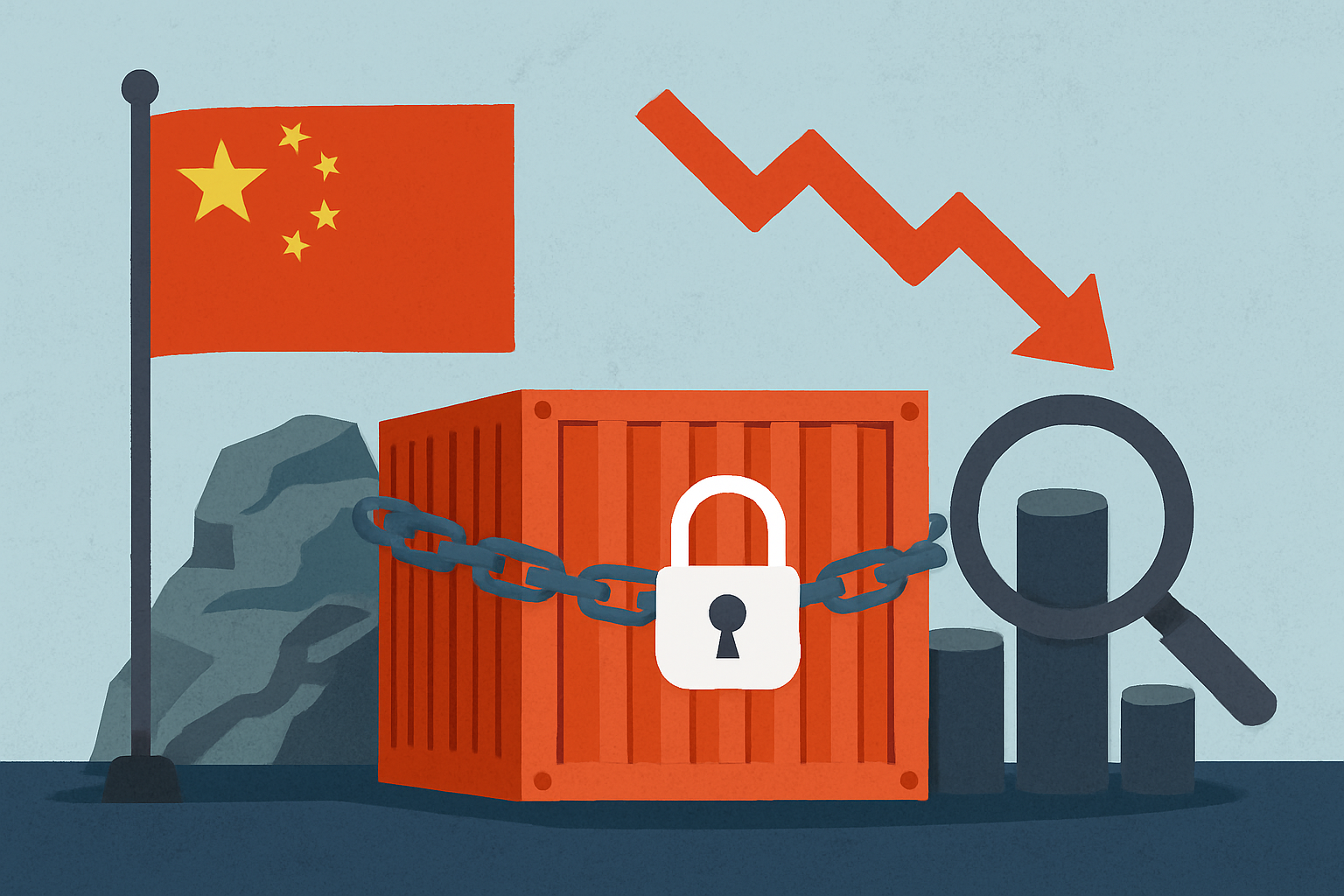
- Global Supply Tensions: China still dominates refining and processing. Any geopolitical disruptions could accelerate demand for non-Chinese supply, benefiting Australian projects with U.S. backing.
Key Investment Insight
Investors should view the Australian delegation’s U.S. push as more than symbolic diplomacy. It represents a tangible opportunity for capital alignment between two of the most resource- and technology-rich economies. Companies operating in lithium, nickel, rare earths, and tungsten — especially those with advanced-stage projects in Australia — may see heightened valuations as partnerships and funding structures emerge.
Strategically, exposure to well-managed Australian critical mineral developers could provide both growth potential and a hedge against supply chain disruptions elsewhere.
Global demand for critical minerals shows no sign of slowing, and policy momentum is increasingly shaping where capital flows. As U.S.–Australia collaboration deepens, investors positioned early in credible Australian projects could benefit from both structural demand growth and geopolitical tailwinds.
Stay updated with explorationstocks.com for daily insights into the stories shaping the future of mining, energy, and global supply chains.